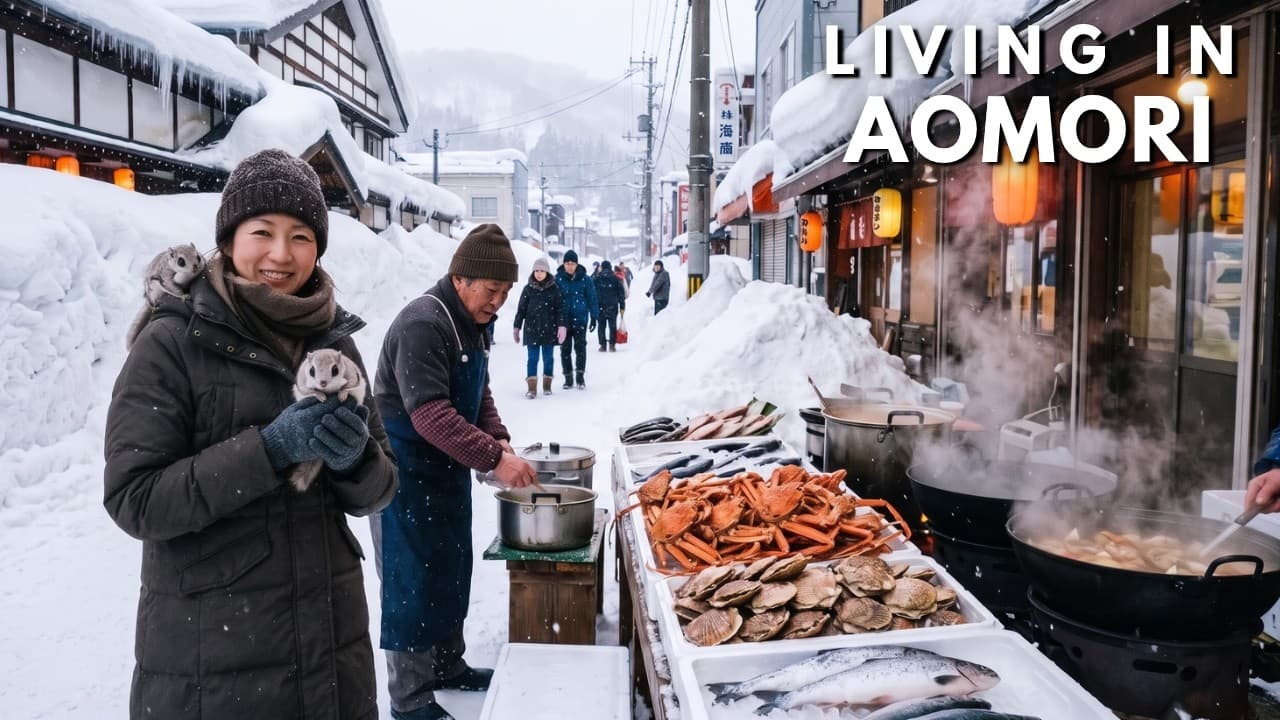
Aomori is a city of roughly 270,000 people at the northern tip of Honshu, and every winter it earns its title as the snowiest city on Earth. About 8 meters of snow fall here in an average season, enough to bury a two-story house, and yet the buses run, the fish market opens before dawn, and children walk to school between snow walls taller than their parents.
This guide takes the Happy Living film on everyday life in Aomori and fills in what a visitor needs to know: why so much snow lands on one city, how residents shovel, melt and haul it away, what the summer festival has to do with surviving the winter, and how to get here from Tokyo in an afternoon.
Watch the Film First
The film spends ordinary winter days with the people of Aomori rather than chasing postcard views. It follows the early morning yukikaki, the snow shoveling that starts before breakfast, rides the plows through residential streets, and heads into the Hakkoda Mountains where the fir trees freeze into the shapes locals call snow monsters. It also finds the warmth inside: steaming bowls at the Furukawa Fish Market, apple warehouses stacked to the ceiling, and the workshops where Nebuta floats are built through the darkest months for a festival that happens in August.
Why Aomori Gets Buried Every Winter
The snow is not an accident of latitude. Aomori sits at about the same latitude as Rome, but it faces the Sea of Japan across Mutsu Bay with the Hakkoda Mountains rising directly behind it. Each winter, cold Siberian air pours across the relatively warm sea, picks up moisture, and dumps it the moment it hits land and is forced upward by the mountains. Sapporo and Niigata get the same sea-effect snow, but Aomori's geography concentrates it. The result is a city where roughly 8 meters of snow fall between December and March, with January and February the heaviest. Temperatures hover around freezing rather than plunging far below it, which is why the snow is heavy and wet rather than dry powder, and why it piles up instead of blowing away.
Living with this volume of snow has shaped the city physically. Many houses have steep roofs or flat roofs engineered to carry the load, and residents climb up to clear them in a ritual called yuki-oroshi. Main roads and some sidewalks use road heating: pipes or sprinklers under the surface that keep key routes passable. Smaller streets rely on plows that work through the night, pushing snow into banks that can reach two or three meters by February. The city then trucks the snow to designated dumping sites, including some along the bay, in a continuous operation that runs all winter. Residents keep shovels by every door, and yukikaki is simply part of the daily schedule, like brushing your teeth.
What the film captures best is the attitude. Nobody in Aomori talks about the snow as a disaster; it is the weather, and the weather is managed. Neighbors clear the stretch of sidewalk in front of their homes, and older residents who cannot shovel are helped by volunteers or paid services. There is a particular Tohoku stoicism to this, a region long known for hard winters and quiet persistence, and it echoes what we found in our Norway winter guide: the colder the place, the more people depend on each other.
Nebuta, Apples and the Other Half of the Year
The flip side of all that winter is Nebuta Matsuri, held every year from August 2 to 7. Enormous floats, built from painted washi paper stretched over wire frames and lit from within, are paraded through the streets at night while thousands of dancers called haneto leap alongside them chanting "Rassera, rassera." The floats depict warriors, gods and kabuki heroes, and some are the size of a small house. Roughly two to three million people attend over the six nights, making it one of the three great festivals of Tohoku. Crucially, the floats are built during winter. Walk past a Nebuta workshop in February and you will find craftsmen bending wire and gluing paper by heaters while the snow falls outside. The festival is how the city spends its long winters imagining summer. If you cannot be here in August, the Nebuta Museum WA RASSE next to Aomori Station displays full-size floats from the previous year all winter long.
Then there are the apples. Aomori Prefecture grows more than half of Japan's apples, and the most famous apple in the world was born here. The Fuji was developed at a research station in Fujisaki, a small town between Aomori and Hirosaki, and released in the early 1960s. Hirosaki, about 40 minutes away by train, is the center of the growing region, with orchards stretching toward Mount Iwaki. Apple culture runs deep: apple pies in Hirosaki cafes, apple cider and juice at every station kiosk, and the A-Factory by the bay where you can taste locally made cidre. In winter the fruit is in cold storage, which is why Aomori apples are available and excellent even in February.
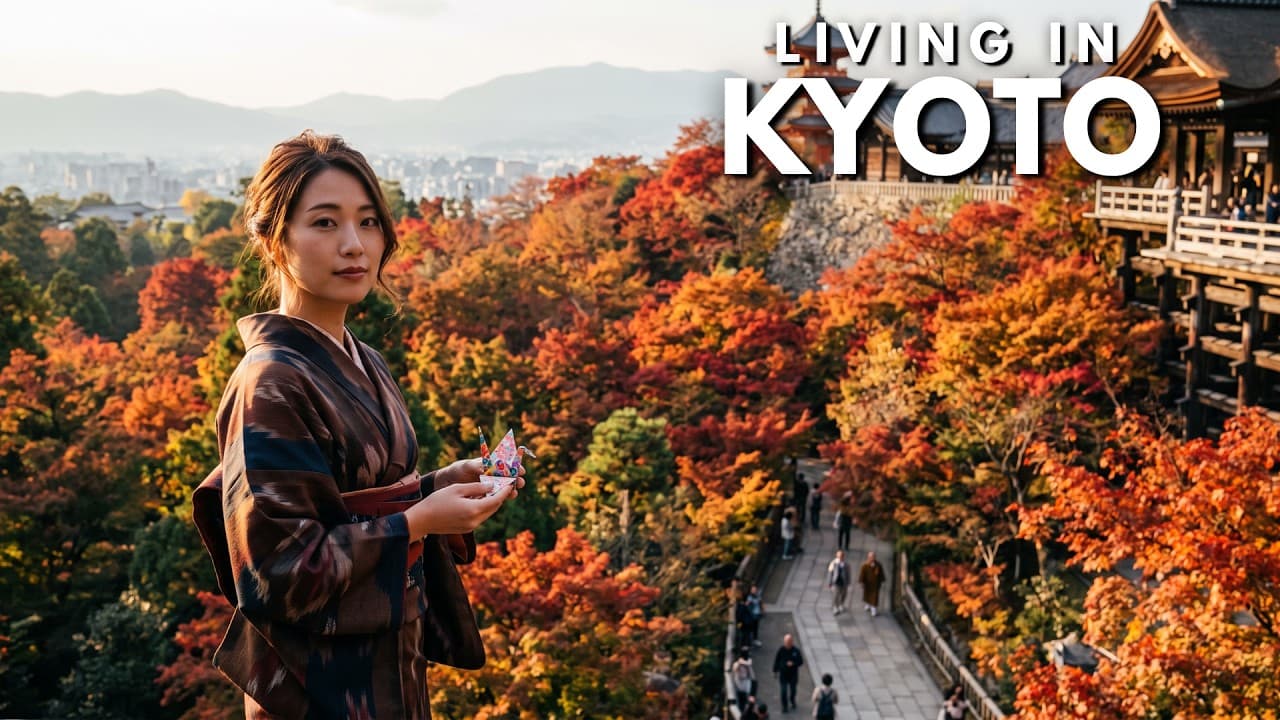
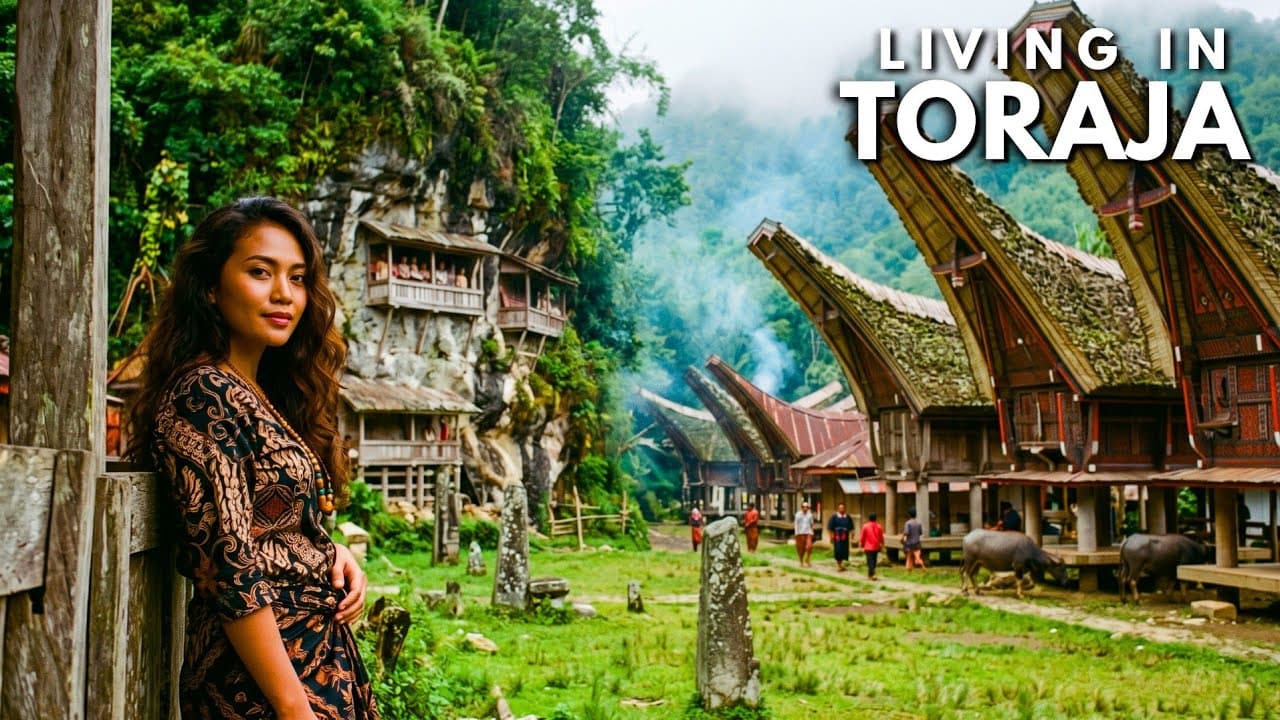
Aomori also carries a much older history. The Sannai-Maruyama site on the edge of the city is one of the largest Jomon-period settlements ever excavated, dating back roughly 5,500 years, and it is now part of a UNESCO World Heritage listing. The people who lived there survived the same winters without heated roads. Combined with Tsugaru shamisen, the fast, percussive music of the peninsula, and a dialect so thick that other Japanese speakers sometimes need subtitles, Aomori feels like its own small country within Japan, closer in spirit to the rural traditions of Toraja in Indonesia than to the polished calm of Kyoto in autumn.
What It's Really Like to Visit
Aomori is easy to reach and far quieter than the famous Japanese cities. The snow is the main event in winter, so plan around it rather than against it.
- Best time to go: Late January to February for the full snow experience, the Hakkoda snow monsters and the Hirosaki Castle Snow Lantern Festival. August 2 to 7 for Nebuta Matsuri, though hotels sell out months ahead. Late April brings cherry blossoms at Hirosaki Castle, and October paints the Hakkoda slopes in red and gold.
- Getting there: The Tohoku Shinkansen Hayabusa runs from Tokyo to Shin-Aomori in about three hours, with a one-way fare of roughly 17,000 yen. From Shin-Aomori it is a few minutes by local train to Aomori Station in the city center. A JR East Pass for the Tohoku area can pay for itself on a single round trip.
- Where to base: Stay near Aomori Station for the fish market, bay area museums and easy train access. Hirosaki is a good second base for apples, the castle and a more traditional townscape. For the mountains, Sukayu Onsen in the Hakkoda range is a historic hot spring inn famous for its huge wooden bath.
- Costs: Aomori is cheap by Japanese standards. Business hotels run roughly 6,000 to 10,000 yen a night, a nokke-don breakfast is around 2,000 yen, and a local train to Hirosaki costs a few hundred yen. The Shinkansen ticket will likely be your largest expense.
- Etiquette: Carry cash; smaller restaurants and market stalls often do not take cards. Remove snowy boots at the entrance of homes, inns and many restaurants. In onsen, wash before entering the bath and leave towels out of the water. Do not walk on top of snow banks by the road; they hide gutters and drains.
- Local tips: At Furukawa Fish Market, buy a sheet of tickets at the entrance, collect a bowl of rice, then trade tickets for whatever scallops, tuna, sea urchin or salmon roe look best that morning. Go before 9 am for the best selection. Try apple cider at A-Factory and a bowl of Aomori miso curry milk ramen, the city's odd and beloved local dish.
- Weather and safety: Expect daytime temperatures just below freezing and constant snowfall. Wear boots with real grip and walk slowly on packed snow. Watch for snow sliding off roofs, which is a genuine hazard, and keep clear of the orange poles marking roof-drop zones. If you rent a car you must have winter tires, and the Hakkoda road to Sukayu can close in storms.
What to Pack for Aomori
Pack for wet, heavy snow and temperatures that sit near zero rather than deep cold, which means waterproofing matters as much as insulation.
Affiliate picks, not a shopping checklist. Use what you own first. Check the listing's model, size, seller and current availability before purchasing.

Hand Warmers 40-pack
Essential for Aomori winters, disposable hand warmers you will go through fast. Tuck them into gloves and boots before heading up the Hakkoda Ropeway.

Waterproof Winter Boots
Aomori streets are buried in snow, so proper boots are non-negotiable. Look for a grippy sole and a waterproof upper that handles slush at crossings.
Japan Rail Pass Guide Book
Explains the national and regional JR passes, including the Tohoku options that cover the Shinkansen to Shin-Aomori. Check for the latest edition.

Merino Wool Base Layer
Merino keeps you warm without the bulk, perfect for layering in Tohoku. It also stays comfortable in overheated trains and restaurants.
FAQ
Is Aomori really the snowiest city in the world?
Among major cities, yes. Aomori averages roughly 8 meters of snowfall a year, more than Sapporo, more than any large city in North America or Europe, and far more than the mountain towns people usually think of. Smaller villages and ski resorts in the Japanese Alps and Hokkaido can see more, but no city of Aomori's size comes close.
How do I see the Hakkoda snow monsters?
Take the bus from Aomori Station to the Hakkoda Ropeway, about an hour away, and ride the cable car to the upper station at roughly 1,300 meters. The juhyo, fir trees coated in layers of rime ice until they look like hunched giants, are best from late January through February. Dress for wind and whiteout conditions; the summit area is far colder and more exposed than the city.
Can I visit Aomori without speaking Japanese?
Yes, with some patience. Station signage, Shinkansen announcements and the main museums are in English, and the fish market ticket system is designed to work without conversation. Outside the center, English is limited and the Tsugaru dialect is thick, so a translation app and a few polite phrases go a long way. Locals are famously kind to visitors who make the effort.
Is winter a bad time to visit Aomori?
It is the best time, as long as you come for the snow rather than in spite of it. Winter is when the city is most itself: the shoveling, the heated roads, the steaming onsen, the Nebuta floats under construction and the snow monsters on Hakkoda. Trains run reliably, hotels are cheap and uncrowded, and the apples are in season from storage. Summer brings Nebuta and green mountains, but winter is the story.
Watch More from Happy Living
Aomori is one stop on a longer journey through how people actually live in the places the world only hears about. Browse the full film collection for Switzerland's quiet wealth, Norway's fjords and Kyoto's autumn temples, or subscribe on YouTube to catch each new film the week it is released. The journal has a companion guide for every destination, including our look at how Switzerland's wealth and healthcare shape daily life.