This Norway travel guide starts with a question: what makes a country feel rich? A visitor might answer with the obvious things, from comfortable trains to dramatic fjords. Stay a little longer and another kind of abundance becomes visible: space to walk, water close to everyday life, and the habit of making time outdoors even when the sky is not cooperating.
Norway is not a single landscape or a single season. A rainy afternoon in Bergen, a bright summer evening in Lofoten and a dark winter morning in Tromsø ask different things of a traveler. The most satisfying trip begins by accepting that variety. Choose a region, give the weather some room, and let the journey include unremarkable moments: a ferry crossing, a bakery breakfast, a neighborhood path used by people on their way home.
Watch the quiet natural wealth of Norway
Our Happy Living film looks beyond the familiar question of money to consider landscapes, seasons and ways of living. Watch it before planning your route, and think about which details you want to experience rather than how many viewpoints you can collect.
A Norway travel guide built around distance
Norway's long shape and interrupted coastline make a simple map misleading. Water, mountains, ferry schedules and seasonal roads influence how long a journey takes. A line between two destinations is not an itinerary. Before booking, check an actual public-transport connection or realistic driving route, then leave time for meals, queues and changing conditions.
For a first trip, pick one main region. Western Norway suits a combination of Bergen, fjords and smaller communities. Northern Norway offers a different relationship with light and weather. Oslo and the southeast can support an urban and coastal trip without a succession of flights. Visit Norway's planning hub links transport and regional information; use it to test your assumptions before adding another stop.
Twelve fjords and coastal places to consider
The following places offer different kinds of experience. They are not intended as a single route, and seeing them all would require considerably more time than a typical holiday. Choose the ones that fit your season and the way you prefer to move.
Bergen for a lived-in coastal base
Bergen works well when you want museums, food and access to western landscapes without immediately renting a car. Walk around Bryggen, then continue into ordinary streets where the city becomes less of a postcard. Keep an indoor option ready for a wet afternoon. A good café, a market visit and a waterfront walk can be a complete day rather than a consolation prize for missing a mountain view.
Nærøyfjord for scale from the water
A boat journey through Nærøyfjord lets you notice the relationship between steep slopes and small areas of settlement. Select a sailing based on connections and time outside, not just a dramatic promotional image. Check whether your ticket includes onward transport and allow a buffer before the next departure. Bring a windproof layer even if the morning feels comfortable in town.
Flåm for a carefully paced stop
Flåm is a useful transport hub and a popular destination, which means timing changes the experience. If you are taking a scenic railway journey or joining a boat, reserve the important connection before building the rest of your day. Avoid scheduling every minute between arrivals. A quieter walk after the busiest period can balance the intensity of a heavily visited place.
Aurland for village time
Aurland is worth considering when you want to stay near fjord scenery rather than simply pass through it. Ask about accessible local walks, shops and the practicalities of reaching your accommodation without a car. Viewpoints can be impressive, but they should not be the only reason to stop. An evening by the water gives the landscape a different pace from a quick photo break.
Sognefjord for a longer stay
The Sognefjord area is too extensive to understand through one viewpoint. Choose a small base and explore a limited section well. Ferries, buses and excursions may have seasonal timetables, so verify your exact dates. This is a good place to replace constant movement with a few days of repeated observation: the same shoreline under cloud, rain and clear evening light.
Hardangerfjord for seasonal landscapes
Hardanger invites a more seasonal approach, with orchards and rural communities adding context to the fjord itself. If blossom or harvest is central to your plans, check locally because timing shifts with weather. Arrange any farm visit in advance and do not walk into private growing areas for a photograph. A food-focused day can sit comfortably beside a walking day.
Geirangerfjord without a rushed transfer
Geirangerfjord is famous enough that many travelers try to fit it into any western route. Look closely at travel times first. Choose a boat trip or a local viewpoint that matches your mobility and the conditions, and allow an overnight stay if it prevents an exhausting transfer. Seasonal road access matters; a summer itinerary should never be copied directly into winter.
Ålesund for architecture and the sea
Ålesund gives a western journey a change of texture. Spend time with the town's architecture, harbor and everyday streets instead of using it only as a staging point for another excursion. A short coastal walk can be just as worthwhile as a distant attraction. Check the weather before committing to exposed viewpoints, especially when wind makes a mild temperature feel much colder.
Stavanger and the Lysefjord area
Stavanger can combine urban days with a fjord excursion. The famous hikes nearby are not automatically appropriate for everyone or every month. Choose between a boat trip, a lower-level walk or a more demanding route based on ability and local advice. Leave room to enjoy the city itself, particularly if conditions make your original outdoor plan unsuitable.
Trondheim for a northern city rhythm
Trondheim offers another version of Norwegian life, with riverside walking, historic streets and a substantial contemporary city around them. It can anchor a separate trip rather than becoming a brief stop in an overlong itinerary. Follow the river, visit a museum that interests you, and take time to eat somewhere away from the most photographed stretch of waterfront.
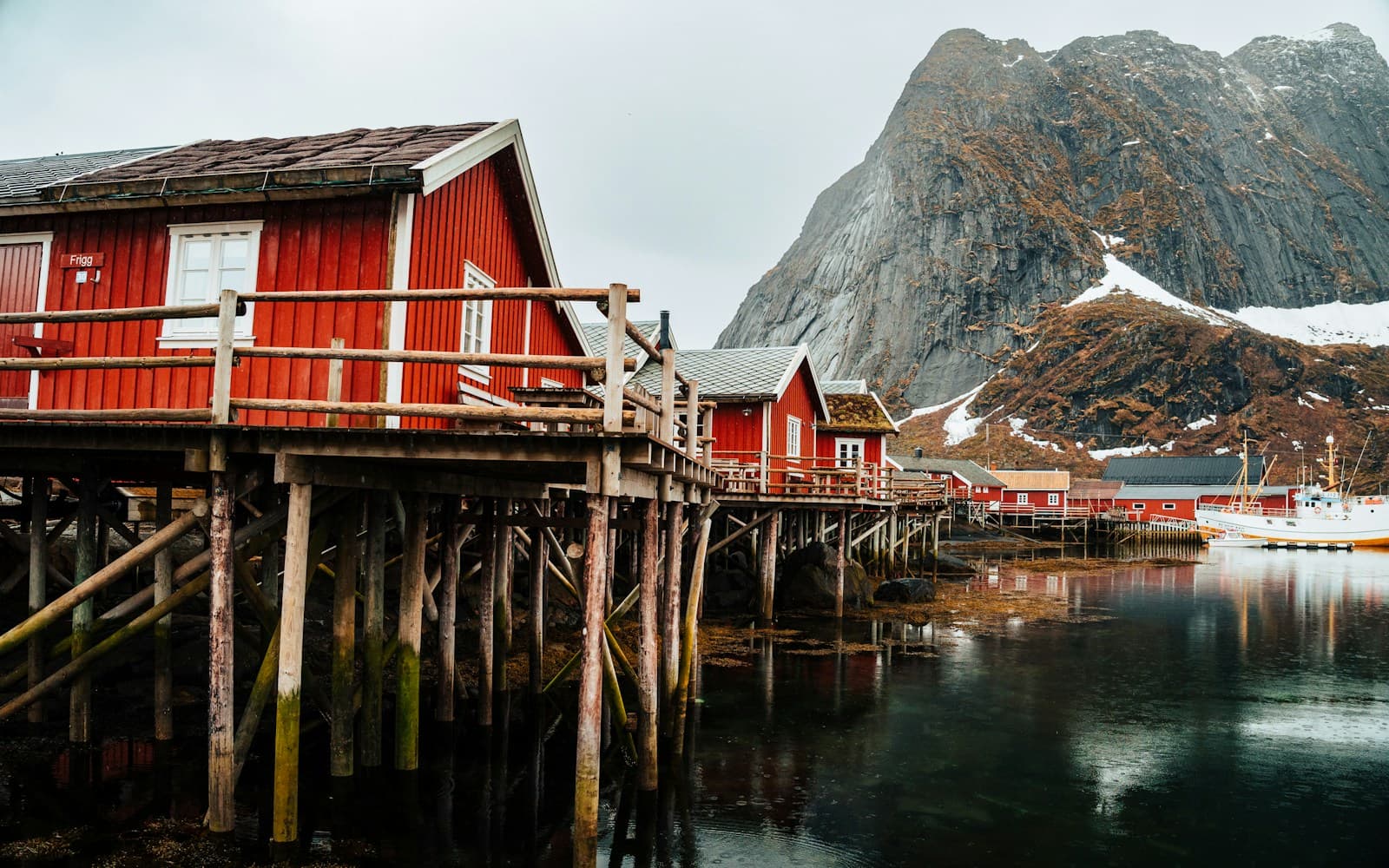
Reine and Henningsvær in Lofoten
Lofoten's fishing communities deserve more than a sequence of roadside photographs. Consider time in both Reine and Henningsvær if your transport plan allows it, but respect private cabins, working harbors and limited parking. Weather can change the scale of what is sensible in a day. A village walk or gallery visit may be the right choice when mountain routes are not.
Tromsø for Arctic seasons
Tromsø is a strong base for travelers interested in northern light, winter activities and Arctic city life. Choose an aurora excursion with realistic expectations: clear skies and solar activity cannot be promised. In summer, the unusual daylight creates a different rhythm altogether. Build in time to learn about the region's history and communities rather than treating the city simply as a departure point.
Norwegian seasons and the best time to visit
Spring can combine changing light, snow still on higher ground and increasingly active towns. Lower-elevation walks and cultural visits may fit better than ambitious mountain hikes. It is a transition season, which means some transport and tourism services are also transitioning. Check the calendar of each activity instead of assuming that warmer weather means every summer route has opened.
Summer brings long days and, far enough north at the appropriate dates, the midnight sun. It is a practical choice for a first fjord trip, but popular accommodation and transport can book up. Even then, rain and wind remain part of coastal travel. Visit Norway's season and climate guide emphasizes the differences between coast, inland areas and the north. Pack for the region rather than an imagined national average.
Autumn offers changing color and a quieter mood in many places. It also brings shorter daylight and potentially reduced services. If you travel toward the northern aurora season, remember that cloud cover remains a major factor. Treat the possibility of seeing the lights as a welcome part of a good trip, not the sole condition for considering it successful.
Winter can mean snowy inland landscapes, wet coastal weather or deep Arctic darkness, depending on location. Decide whether you want skiing, city culture, guided winter experiences or simply a slower seasonal stay. Specialized mountain activities require appropriate expertise. Do not assume that a marked summer trail remains a straightforward walk when snow, ice and limited daylight arrive.
Culture and the Norwegian way of life
The word friluftsliv is often used to describe the value of life outdoors. You do not need a remote expedition to connect with that idea. A neighborhood walk, a packed lunch beside water or a regular path through the trees can be enough. Observe how people use accessible nature, and consider making one simple outdoor routine part of each day of your trip.
Avoid turning cultural tendencies into fixed rules about every person. Some conversations are quiet; others are animated. Be punctual for bookings, respect queues, and ask before entering private spaces. English can make travel easier, but a greeting and a sincere thank you still carry value. Be particularly thoughtful when learning about Sámi culture: seek Sámi-led interpretation and recognize living communities rather than treating identity as a costume or a performance.
Hiking, fjord cruises and Northern Lights
Match a hiking plan to your least experienced companion. Distance alone does not communicate difficulty: steepness, exposure, wet rock and navigation matter. Check a route's current conditions, carry appropriate layers and food, and tell someone your plan. The Norwegian Trekking Association provides a useful route into mountain information and the Norwegian Mountain Code. Turning around is a normal part of sound judgment.
For a fjord cruise, compare the route, vessel, deck access and onward connection. A longer sailing is not automatically better if most of your day becomes transfers. Sit outside when conditions allow, but keep a dry layer ready. Ordinary transport ferries can also offer meaningful views of how communities are connected, although their routes and schedules serve local needs rather than a visitor's ideal photograph.
For Northern Lights, plan several nights in a suitable northern base during the darker season and include daytime activities you will enjoy regardless. Choose operators who discuss weather and cancellation policies clearly. Do not drive unfamiliar icy roads simply to chase a forecast. The experience is better when a qualified guide handles logistics and you can pay attention to the sky.
Food and dining without exhausting your budget
Try a bakery breakfast, fish soup, open sandwiches or a waffle break. Brunost, the distinctive brown cheese, is an easy small tasting opportunity; you do not need to order an expensive dinner to explore food culture. Coastal menus may feature fish prepared in different ways, while regional and seasonal dishes vary. Ask what the kitchen considers local rather than assuming every restaurant serves the same national menu.
Use supermarkets and self-catering for some meals, then choose a few restaurant experiences deliberately. Carry a packed lunch when walking, while following local guidance about waste and wildlife. If you have dietary requirements, communicate them before an excursion or rural stay where alternatives may be limited. Do not rely on finding a late meal after every arrival; confirm food options in advance.
An honest Norway travel budget
Norway can be expensive, and an optimistic budget can undermine an otherwise excellent trip. Visit Norway's published 2026 price examples list an average hotel room around NOK 1,725 per night and a budget restaurant meal around NOK 190–350. These are reference figures, not quotes for your dates. Location, demand and booking conditions can make the difference substantial.
As an illustrative planning exercise, allow NOK 1,200–1,900 per person per day when sharing modest accommodation, cooking some meals and limiting paid activities. A more comfortable itinerary with regular restaurant meals and excursions may need NOK 2,000–3,200 or more. International flights, major internal transfers, car hire and specialist activities can add significantly. Solo travelers often face a higher accommodation cost per person.
The strongest savings usually come from itinerary choices: fewer bases, advance booking, a kitchen and a willingness to enjoy free walks. Add up the whole cost of driving, including rental, parking, tolls and ferries, before comparing it with rail or bus tickets. Keep a reserve for disrupted plans. A cheaper room far from your actual activities can become expensive once repeated transfers are included.
Getting around and choosing accommodation
Use Entur to investigate connections across public transport, then confirm ticket conditions with the relevant operator. Rail can make the journey part of the experience, but not every destination has a station. Pay attention to the final connection to your accommodation, particularly on weekends and outside peak season. Avoid an itinerary that depends on the last bus after a tight flight arrival.
A car may help with dispersed rural stays, but it also asks more of the driver. Winter driving, narrow roads and unfamiliar ferry routines are practical considerations. Book a vehicle suited to conditions and confirm the rental company's requirements. When traveling without a car, a central guesthouse or apartment near transport can be worth more than a cheaper property with a scenic but isolated address.
Cabins and self-catering apartments can create a more settled rhythm. Check what is included: bed linen, towels, cleaning and food access are not details to leave until arrival. If considering camping, learn the applicable access rules and local restrictions first; outdoor access is accompanied by responsibilities and is not permission to camp anywhere. Leave places clean and respect residents' privacy.
What to pack for Norway
Build a small system of layers: a comfortable base, insulation suitable for the season, and a windproof, water-resistant outer layer. Bring footwear appropriate to your actual walks and protect electronics from rain. A light summer city trip and a winter Arctic excursion need very different equipment. Ask your activity provider what they supply before buying or packing bulky specialist items.
Affiliate picks, not a shopping checklist. Use what you own first. Check the listing’s model, size, seller and current availability before purchasing.

Columbia Watertight II Rain Jacket
A packable rain shell for changeable coastal weather. Add warm layers underneath.

Black Diamond Trail Trekking Poles
Extra stability on uneven fjord paths. Poles are no substitute for appropriate route planning.

Smartwool Merino 250 Base Layer
A warm foundation for chilly ferry decks and winter walks. Choose the right fit and weight.
Norwegian travel phrasebook
Learn the greetings and small courtesies that turn a transaction into a conversation.

Lowepro Flipside Trek Camera Backpack
Organize camera gear on the move. Confirm rain-cover specifications; do not submerge.
A one-week trip with room to breathe
For a first western Norway trip, consider three nights in Bergen, three in one well-connected fjord base, and a final night positioned for your departure. Use the city days for walking, food and a museum; use the fjord days for one sailing, one suitable walk and one flexible day. This is a framework, not a ticketed route: check actual connections before choosing the base.
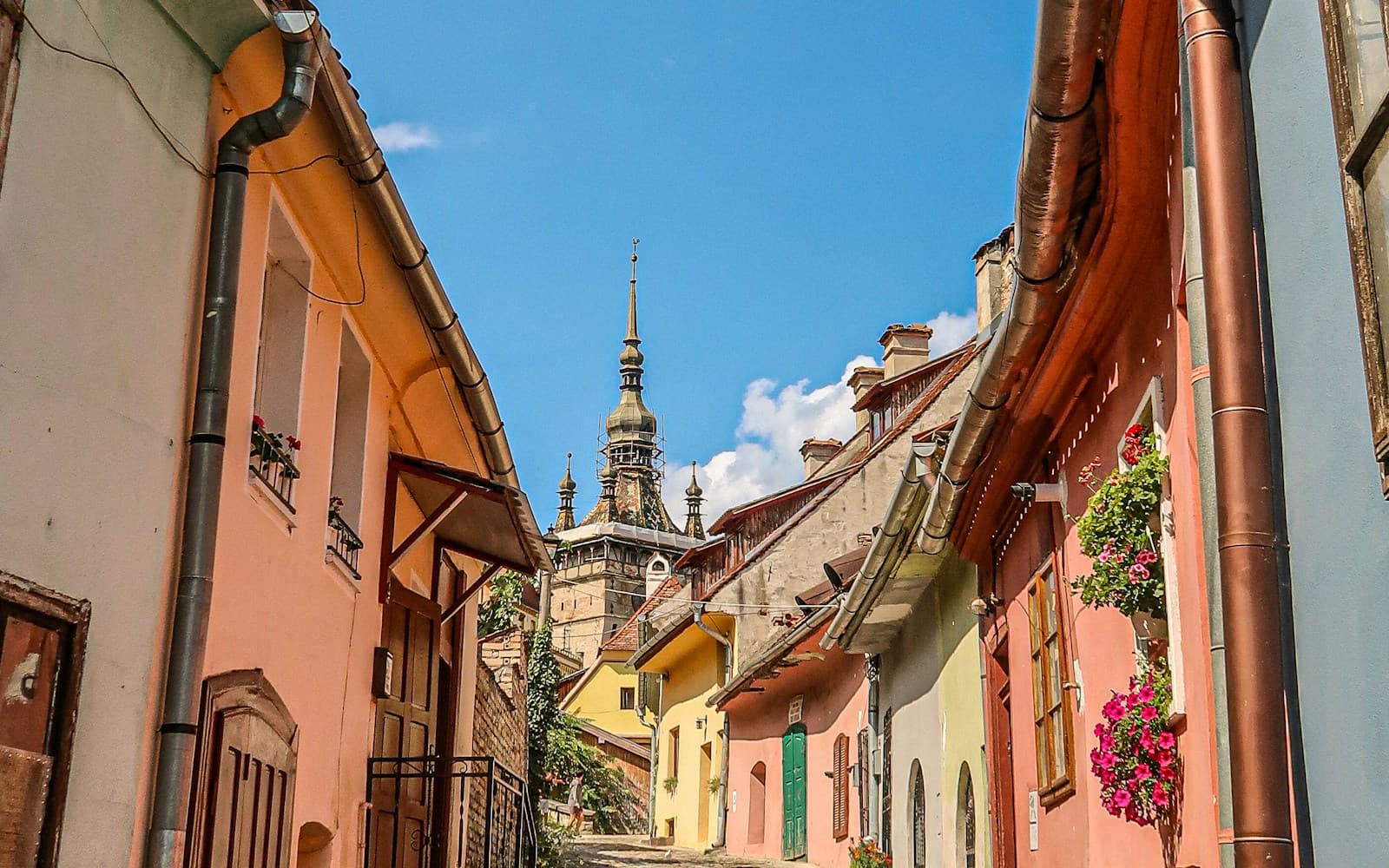
For a northern trip, apply the same principle around Tromsø or a limited part of Lofoten rather than adding them to a crowded southern itinerary. The rewards of staying longer are often small and cumulative: recognizing a path, noticing a change in weather, or returning to a place at a different hour. Compare that pace with our Transylvania travel guide, and discover more perspectives in the Happy Living film collection.
Frequently asked questions
What is the best month for a first Norway trip?
There is no single best month for every region. Summer is a practical starting point for fjords and long daylight, while winter suits different activities and more demanding conditions. Choose your region and main activity first, then check seasonal services and the weather patterns relevant to that plan.
Can I see the Northern Lights in summer?
The bright summer nights in northern Norway are unsuitable for the dark-sky aurora experience most travelers expect. Plan around the darker season instead, with several nights and realistic expectations. Even at a favorable time of year, cloud and solar activity mean sightings are never guaranteed.
Is Norway possible on a smaller budget?
Yes, with careful choices and realistic expectations. Share accommodation where possible, book important transport early, prepare some meals and prioritize free activities. Check current prices for your dates and include a contingency. A short, well-paced regional trip may offer better value than a long route with frequent transfers.
Do I need a car to visit the fjords?
Not always. Some fjord itineraries work with trains, buses and boats, particularly when you choose accommodation around available connections. A car offers flexibility for scattered locations but adds substantial costs. Build and price the complete route before deciding which option suits you.
Are the famous fjord hikes suitable for beginners?
Some routes can be demanding even when widely photographed. Suitability depends on fitness, experience, weather, daylight and current trail conditions. Ask for local advice, choose a less demanding alternative when needed, and do not interpret popularity as a guarantee of safety or easy access.
How many places should I include in one week?
Two or three bases within one region is a useful starting point. It leaves room for transport, weather changes and unplanned discoveries. Trying to combine Oslo, western fjords, Lofoten and Tromsø in a week usually turns the journey into a succession of transfers rather than a chance to understand a place.