This Transylvania travel guide begins with the story everybody knows: a castle, a vampire, and a landscape permanently caught in an October night. Arrive in Romania with that picture in mind and the first surprise may be how much ordinary life interrupts it. There are market stalls to browse, children coming home from school, busy cafés, and people who have considerably more to discuss than Dracula.
Halloween can be a playful reason to visit. It should not be the limit of your curiosity. Transylvania changes with the seasons, and its Romanian, Hungarian, Saxon and other communities cannot be reduced to a single legend. Give yourself time to notice the names on buildings, the different churches in a town, and the food a host considers worth sharing. A journey here becomes more interesting when the famous story is your opening question rather than your final answer.
Watch life beyond the legend
Our film explores the gap between the Transylvania imagined abroad and the region people actually inhabit. Use it as an invitation to look closer, then build your route around the experiences that interest you most.
A Transylvania travel guide beyond Dracula
Separate three things before planning a castle-heavy itinerary: Bram Stoker's fictional count, the historical ruler Vlad Țepeș, and Bran Castle's tourism identity. They overlap in popular imagination, but they are not interchangeable. Bran's own account of the Dracula connection distinguishes the literary character from the historical figure. You can enjoy the theatrical atmosphere without treating a fictional biography as local history.
The region is also bigger than a weekend circuit suggests. Think in clusters: Brașov and nearby villages; Sibiu and its surrounding countryside; Sighișoara and the fortified churches; or Cluj-Napoca and the west. Two bases can be more rewarding than a new hotel every night. When possible, stay after day visitors leave and return to a square at breakfast. That small change in timing can reveal more than another hour spent in a queue.
Twelve places and experiences to make time for
These are choices, not a checklist. Pick a few close together and leave a day flexible for weather, a longer meal, or a recommendation from your host. Romania Tourism's regional overview is a useful starting point for locating towns and attractions.
Brașov and its old-town streets
Use Brașov as an introduction to urban Transylvania. Begin around Council Square, then walk the smaller streets instead of moving directly to your next attraction. The Black Church is an important cultural landmark; check visiting hours and behave as you would in any place of worship. Sit down for coffee somewhere outside the busiest corner and notice how the city uses its public spaces throughout the day.
Bran Castle with a wider lens
Visit Bran for its architecture, setting and layers of storytelling. Reserve time for the actual rooms and history rather than only a photograph of the exterior. Halloween events and ordinary admission may have different arrangements, so book through the castle's official channels and read exactly what a ticket includes. A quiet weekday and a special-event evening offer very different experiences.
Sighișoara at walking pace
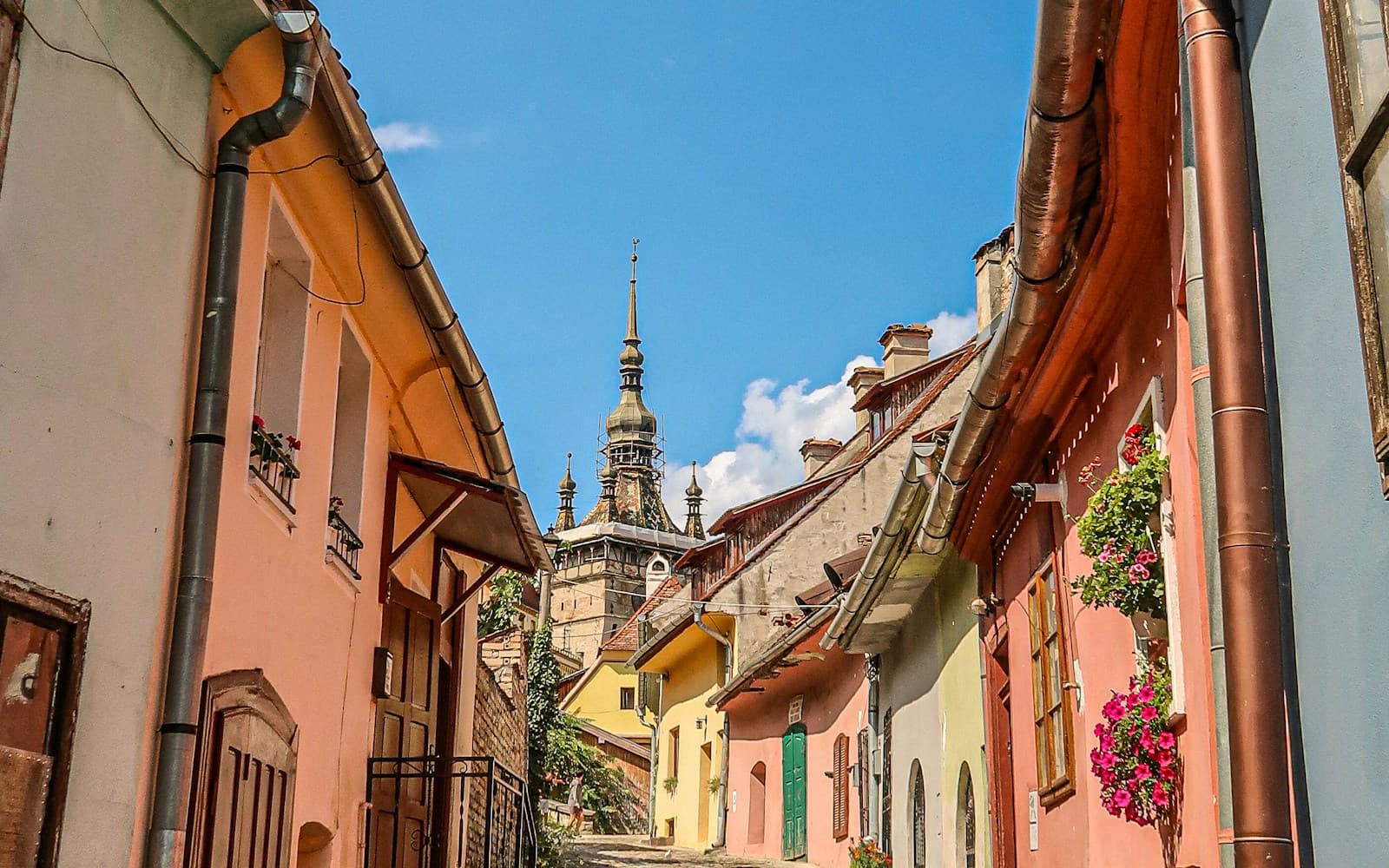
Sighișoara rewards a patient wander through the citadel's lanes. Pause beneath the clock tower, look for the contrasts between restored façades and working homes, and give the steep cobbles the footwear they deserve. Early morning is particularly good for hearing the town before groups arrive. Remember that picturesque doorways often belong to residents; a photograph is not permission to enter.
Sibiu beyond the main square
In Sibiu, connect the large squares with smaller passages and the lower town. Architecture becomes more legible when you follow how one neighborhood meets the next. Put aside an unplanned hour for a bakery or a small exhibition. The city works well as a comfortable base if you want cultural visits alongside countryside excursions without moving your luggage daily.
The ASTRA Museum near Sibiu
An open-air museum can make everyday history tangible: buildings, tools and the organization of work tell a different story from a royal residence. Give ASTRA enough time for walking between exhibits rather than treating it as a quick stop. On a wet day, check which areas and activities suit the conditions. Bring water and allow for a slower visit than the map initially suggests.
Viscri and its village setting
Approach Viscri as a lived-in village, not a stage set. Walk respectfully, ask before photographing people, and consider paying for a locally run meal or guided visit. Its fortified church is part of a wider regional story. Spending the night nearby may make more sense than a hurried detour along rural roads, especially when you want to understand the rhythm of village life.
Biertan and the surrounding countryside
Biertan is another place to consider for its fortified church and settlement around it. Look beyond the central landmark to the relationship between houses, gardens and the surrounding slopes. Check access before driving out, particularly in quieter months. Pairing one church visit with a long lunch is often more memorable than rushing through several interiors in a single afternoon.
Prejmer as a focused half-day visit
Prejmer can fit naturally into a Brașov-based stay. Its fortified religious architecture offers another perspective on how communities organized protection and shared space. Read the interpretation on site, or hire a qualified guide who can explain details you would otherwise miss. Avoid assuming that every fortified church has the same history simply because the buildings look related from outside.
Cluj-Napoca for contemporary city life
Make room for a city that complicates the medieval image. In Cluj-Napoca, choose a neighborhood walk, a museum and a café rather than trying to recreate a castle itinerary. A student city can show you a different side of the region's cultural energy. Browse current local listings for events during your dates instead of planning around an old festival schedule.
Corvin Castle in Hunedoara
Corvin Castle is a strong option if architecture is a major interest. It also deserves honest route planning: do not squeeze it into a day already full of long drives. Check opening arrangements and allow time for the interior. Comparing its scale and design with Bran can be a useful reminder that Transylvanian history contains many stories beyond the most marketable one.
Alba Iulia and its citadel
Alba Iulia offers space for a slower walk through a fortified urban setting. It can break up a route through central Romania without demanding an overloaded day. Look at a local map before arriving so that parking or station access does not consume your visit. Choose one historical theme to follow, then spend the rest of your time simply observing how the space is used today.
A guided walk near Piatra Craiului
The mountains add another dimension to a cultural trip. Choose a route for the least experienced person in your group and arrange a qualified local guide if you are unfamiliar with the terrain. A low-level walk with time to look around can be richer than an ambitious summit attempt. Weather, daylight and trail conditions should determine the plan, not a photograph saved months earlier.
Best time to visit and what each season feels like
Spring is a good season for towns, village stays and watching the countryside wake up. Expect variable weather and muddy paths. Easter customs can be meaningful to observe, but religious dates and local events differ; ask your host what is happening and whether visitors are welcome. Do not treat a family or church celebration as entertainment arranged for travelers.
Summer gives you longer days for moving between places and lingering outside. Popular sights are busier, and warm afternoons make an early start worthwhile. Build shade, water and breaks into a walking day. In villages, ask about local markets or seasonal work rather than assuming every traditional activity is available to book on demand.
Autumn suits travelers drawn to woodland color, harvest food and cooler town walks. Halloween brings particular attention to Bran and Dracula-themed activities, but it does not define everyone's calendar. Reserve accommodation early if attending a specific event. By late October, daylight is shorter and mountain plans require more caution than a town-based itinerary.
Winter changes the pace. A snowy square can be beautiful, but ice, shorter opening hours and difficult roads can add friction. Choose fewer bases and confirm heating, arrival arrangements and transport. A winter trip centered on food, architecture and conversation is easier to enjoy than one relying on a succession of exposed mountain viewpoints.
Where to stay and how to choose a base
A small city guesthouse gives you restaurants and walking routes at your door. An apartment can make sense for a longer stay or if you prefer to prepare breakfast. Check whether a historic-center address means stairs, pedestrian access or distant parking. A beautiful room is less useful if carrying bags to it becomes a daily problem.
Village guesthouses can offer a closer view of rural life, especially when meals are available by arrangement. Ask about dinner before arrival, mention dietary requirements clearly, and confirm whether you need a car. A farm stay is a working environment: respect animals, gates and private areas. For a first week, a city base plus two quieter nights outside town creates contrast without excessive packing.
Local food worth sitting down for
Look for ciorbă, a family of sour soups; sarmale, stuffed rolls often served with mămăligă, or polenta; and regional variations on stews, breads and cheeses. Menus reflect overlapping culinary traditions, so ask what is specific to that kitchen instead of seeking one definitive national dish. A seasonal soup and good bread may tell you as much as a formal tasting menu.
For something sweet, you may encounter papanași, often served with sour cream and preserves, or kürtőskalács, a chimney-shaped cake associated with Hungarian and Székely food traditions. Portions can be generous. Share when appropriate and save room to try something unfamiliar. Vegetarian travelers should ask about stock, lard and fillings rather than assuming a vegetable dish contains no meat products.
Getting around without rushing
Plan rail journeys between major towns using current timetables from CFR Călători. Check the actual station, transfers and arrival time before reserving accommodation. A direct route that takes longer on paper can be less stressful than a tight connection. Keep a little food and water with you and download essential booking details for offline access.
A rental car offers flexibility for villages, but the distances can be deceptive. Rural roads, traffic and photo stops all add time. Avoid building an itinerary around late-night arrivals in unfamiliar places. Confirm parking, rental terms and road conditions with the operator. For a single rural day, a locally guided excursion may be simpler than renting a vehicle for your whole stay.
Budget guidance for a thoughtful trip
For early planning, a modest traveler might set aside €55–90 per person per day, sharing a simple room, eating mostly casual meals and using public transport. A more comfortable trip with private accommodation, restaurant meals and occasional paid excursions might need €100–160 or more. These are illustrative planning allowances, not current quotes; they exclude international flights and can be exceeded by car hire, guided activities or event weekends.
Build your estimate from actual room prices for your dates, then add transport, entry fees and a contingency. Romania uses the Romanian leu, so compare final local-currency costs instead of relying on a remembered exchange rate. Carry a small amount of cash for rural purchases while keeping the rest secure. Staying longer in fewer places usually saves both transfer costs and the hidden expense of convenience meals.
Travel tips for mountains and everyday life
Take wildlife seriously. Do not approach, feed or stop beside bears for photographs, and never leave food where it attracts animals. Seek route-specific advice from local guides and consult Salvamont Romania for mountain information. A town walk and a mountain excursion require different preparation. Tell someone your route, carry suitable layers, and change plans when conditions do not match your experience.
In cities, use the same care you would elsewhere: watch belongings in busy areas, confirm transport prices or booking details, and keep copies of essential documents. Ask before photographing people or private property. A greeting and a little patience often matter more than elaborate language skills. Learning “bună ziua” for hello and “mulțumesc” for thank you is a small, practical beginning.
What to pack for Transylvania
Pack for the activities and season you actually chose: comfortable shoes, layers, a rain shell, a refillable bottle and a compact day bag cover many town-based trips. Mountain days need a separate equipment check. The suggestions below are starting points; there is no need to buy a new version of something that already works for you.
Affiliate picks, not a shopping checklist. Use what you own first. Check the listing’s model, size, seller and current availability before purchasing.

BESTEK Universal Travel Adapter
Keep your phone and camera charged. Check plug compatibility and your device voltage before buying.

Osprey Farpoint 40
A manageable travel backpack for train journeys and village guesthouses. Check airline size limits.

Merrell Moab 2 Waterproof
Supportive footwear for damp paths and cobbled streets. Break boots in before your trip.

Leuchtturm1917 Hardcover Notebook
Keep the small details: a recipe, a Romanian phrase, a conversation worth remembering.
Rick Steves Eastern Europe
Browse editions and check Romania coverage for background reading beyond the screen.
A slower seven-day itinerary
Spend your first three nights in Brașov, with one day for the town, one for Bran and one for either Prejmer or a suitable guided nature walk. Move to Sighișoara for two nights, leaving enough time for the citadel without a departure deadline. Finish with two nights in Sibiu, dividing your time between the city and ASTRA or nearby countryside.
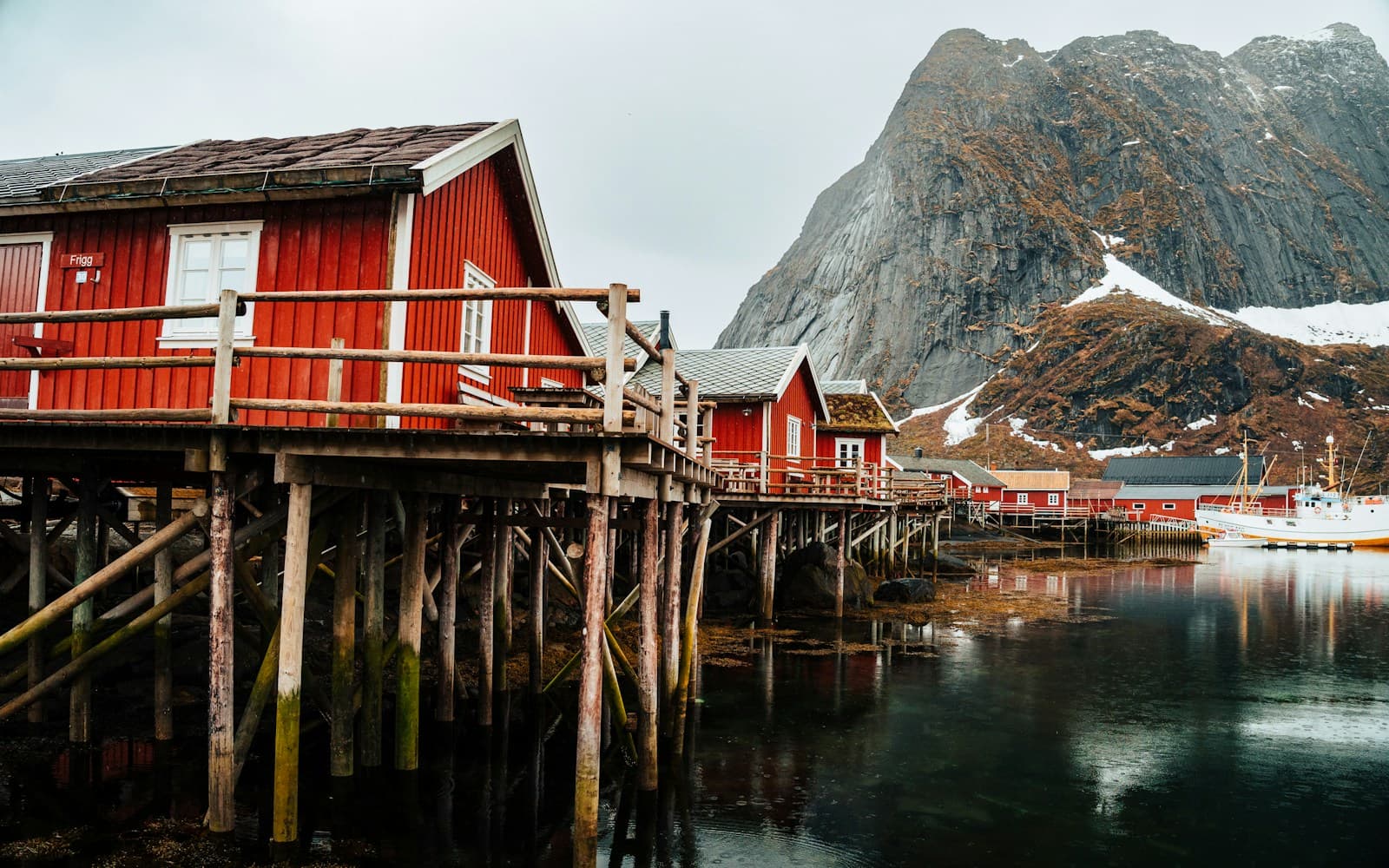
This route intentionally leaves out several excellent places. That is a strength when the alternative is spending every afternoon in transit. If Cluj or Corvin Castle matters more to you, replace a cluster rather than adding another exhausting day. For a very different version of slow travel, read our Norway travel guide, or browse all Happy Living films.
Frequently asked questions
Is Transylvania only worth visiting at Halloween?
No. Halloween is one possible theme, especially around Bran, but towns, food and village life reward visits throughout the year. Choose your season around daylight, weather and the activities you want, rather than assuming October is the only authentic time to go.
How many days should I spend in Transylvania?
Seven to ten days allows a few bases and some slower exploration. With three or four days, concentrate on one cluster such as Brașov and its surroundings. Covering the entire region in a short break usually means sacrificing the time that makes it interesting.
Do I need to rent a car?
Not necessarily. Rail and other public transport can connect major towns, while guided day trips can cover selected rural visits. A car becomes more useful for scattered villages, but it also adds parking, navigation and driving responsibilities. Compare both options against your actual route.
Is Bran Castle really Dracula's home?
Dracula is a fictional character, and the castle's popular association should not be confused with a documented home of the literary count or a simple biography of Vlad Țepeș. Visit for the setting, architecture and historical interpretation while enjoying the legend as a separate story.
Can beginners hike in the region?
Beginners can choose appropriate low-level routes with local advice, but a scenic photograph does not reveal difficulty or current conditions. Match the walk to your experience, use a qualified guide when needed, and be ready to turn back. Winter mountain conditions require additional skills and equipment.
Is English enough for a first visit?
English is often useful in tourism-facing settings, but do not assume every person speaks it. Save addresses offline, learn a few greetings, and use a translation tool patiently. Checking important arrangements in writing helps both you and your host avoid misunderstandings.